
The formation of dental plaque
In addition to genetic predisposition, many factors can influence the formation of dental plaque; environment, improper diet, behavioral habits, poor dental care, insufficient bite, diseases, medications, vitamin deficiency, pregnancy, improper bite, etc.
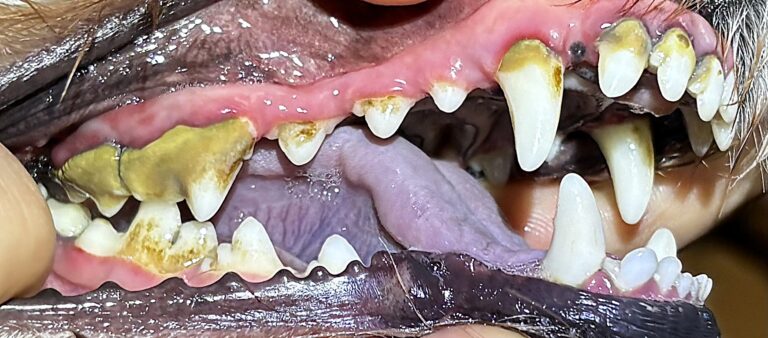
After one year of age, dental plaque is already visible in most dogs. Smaller dogs are especially prone to dental diseases. As long as the plaques are softer, they can be removed with home care and oral hygiene. There are many options and different means for home care of dogs' teeth.
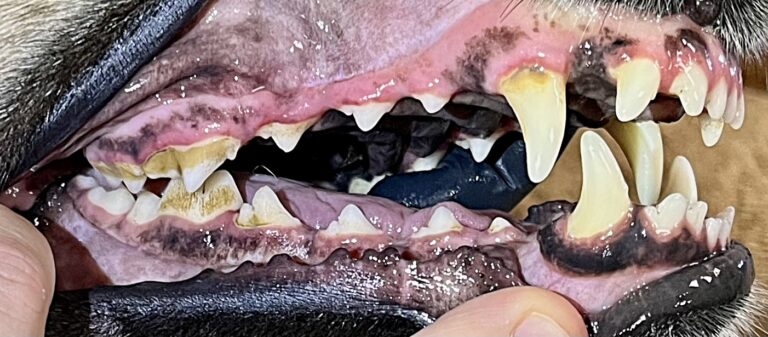
Cleaning tartar
When dental plaque becomes hard, we speak of tartar. There is no magic remedy for tartar that can be effectively removed with home care. Tartar can usually only be removed physically or mechanically, so it is necessary to seek professional help that enables this.
Tartar can be removed mechanically, for which anesthesia is used in dogs, or with a manual technique, which can also be performed without anesthesia. Removing tartar usually also eliminates gingivitis - minor inflammation of the gums.
If the gums are already more affected, it is necessary to take special care of them immediately after cleaning with regular home care and pimer preparations. Specific gum care is especially necessary for dogs with periodontitis, which otherwise does not stop on its own. Brushing the teeth is not enough for such dogs.
Bad dental condition can have a major impact on internal organs due to dangerous bacteria. Major dental diseases usually progress quickly and can be fatal for dogs. When it comes to dental diseases, time heals wounds very poorly, so the worst thing is to do nothing for such dogs.


